Physical Address
304 North Cardinal St.
Dorchester Center, MA 02124
Physical Address
304 North Cardinal St.
Dorchester Center, MA 02124

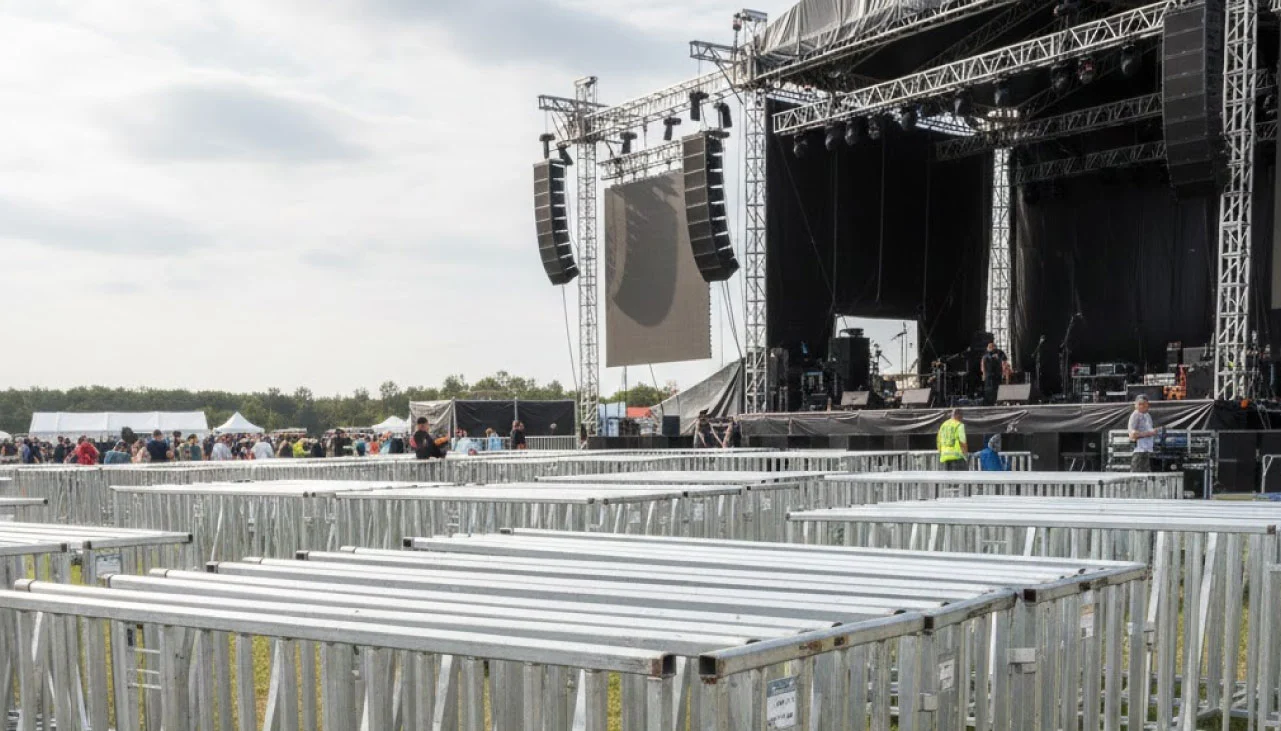
Buying portable stage guardrails isn’t about ticking a box—it’s about protecting people, reducing liability, and future-proofing your stage setup. This guide walks you through exactly what to look for, what to avoid, and how to make a confident, informed purchase—without overspending or over complicating things.
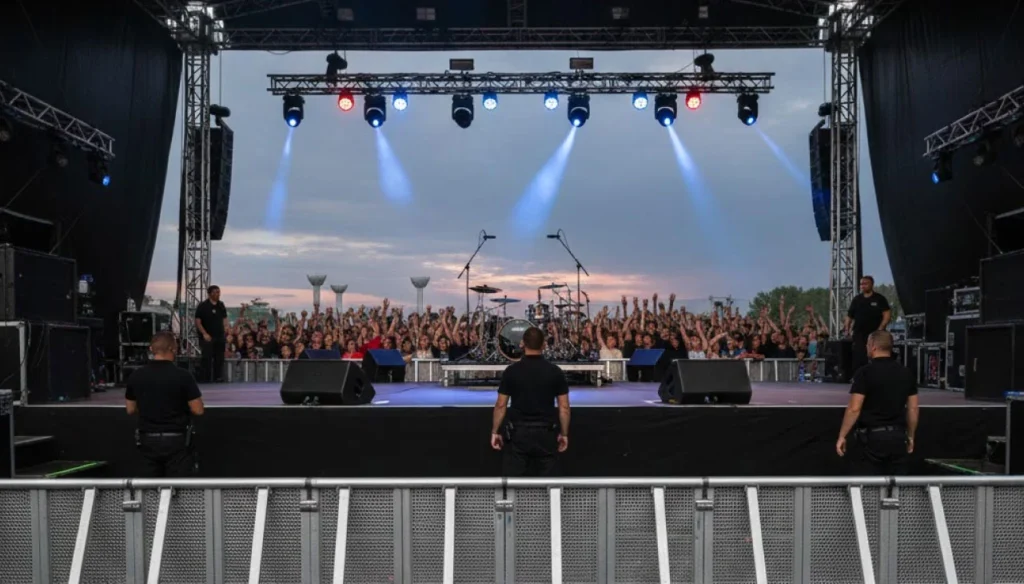
Before choosing a product, be clear on your risk profile. You almost certainly need guardrails if your stage is used for:
Under UK health and safety law, organisations must reduce foreseeable risks where reasonably practicable. A raised stage with unprotected edges is a known fall hazard.
👉 HSE guidance on fall prevention:
https://www.hse.gov.uk/falls/
Buyer takeaway: If people can fall off your stage, guardrails are not optional—they’re sensible risk control.
This is the most common (and costly) mistake buyers make.
Before you buy, confirm:
Best option: Guardrails designed specifically for your stage system.
Avoid: “Universal” guardrails that rely on makeshift fittings—they often wobble and fail inspections.
For schools and public venues in the UK, best practice aligns with:
This height:
Anything significantly lower may offer false reassurance.
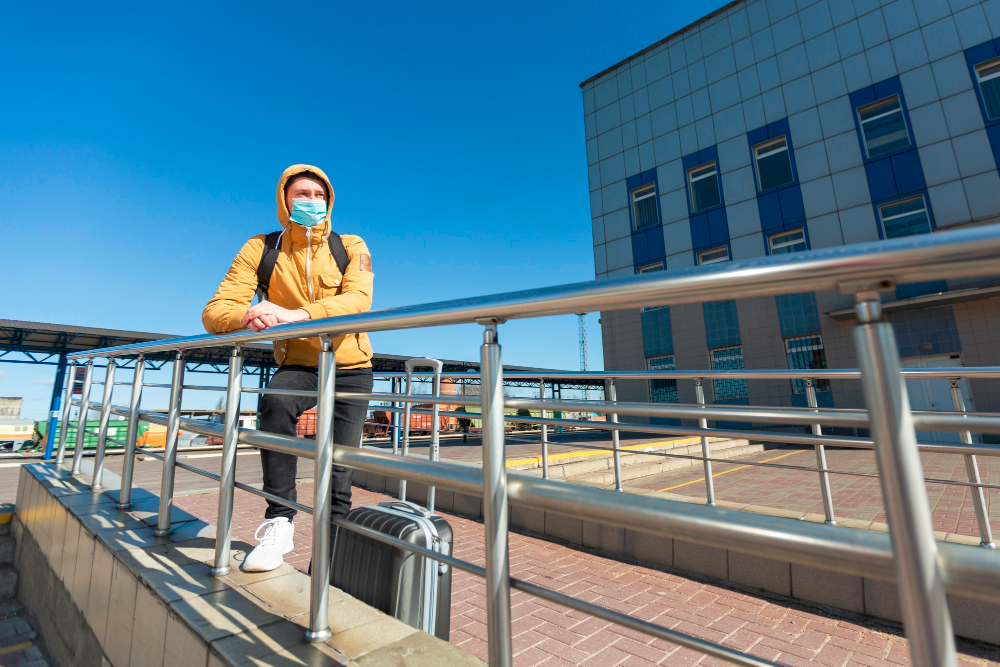
You don’t always need guardrails on every edge—but you must cover high-risk areas.
Typical setups:
Buyer tip: Modular guardrail sections give you flexibility without extra cost.
✅ Lightweight
✅ Rust-resistant
✅ Easy for staff and volunteers
✅ Professional appearance
❌ Heavy
❌ Harder to handle
❌ Overkill for schools and churches
Buyer takeaway: Aluminium is the gold standard for portable staging.
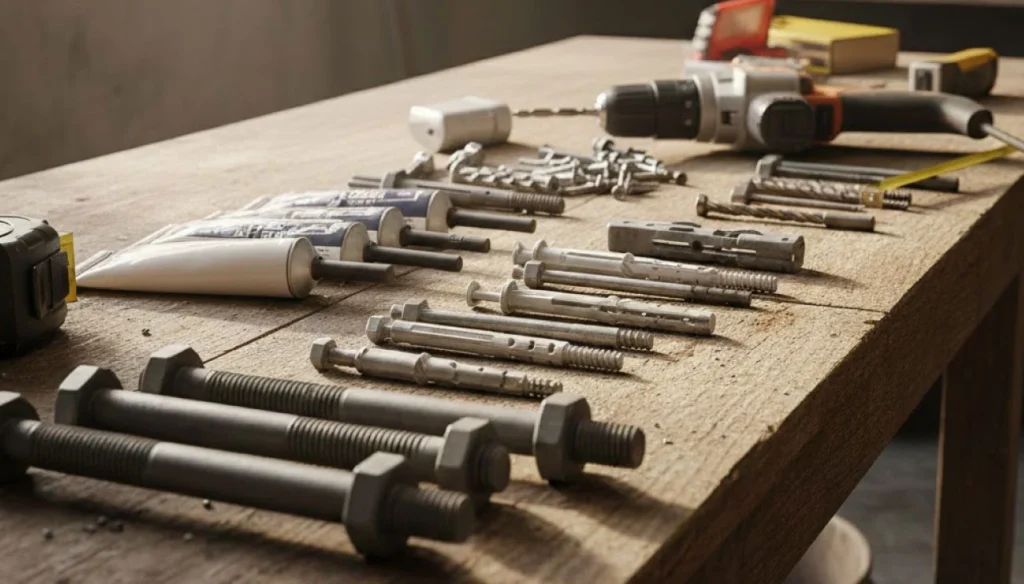
A guardrail is only as safe as its fixing.
Look for:
If a guardrail shakes when pushed—it’s not fit for purpose.
Ask yourself:
Best systems:
If it’s difficult to use, it won’t be used consistently.
Schools and churches often have limited storage.
Choose guardrails that:
👉 HSE manual handling guidance:
https://www.hse.gov.uk/msd/maual-handling/
Safety doesn’t have to look industrial.
Modern stage guardrails are:
This is especially important in churches, where visual harmony matters.
Use this checklist when speaking to suppliers:
✔ Are these guardrails compatible with my stage model?
✔ What is the guardrail height?
✔ How are they fixed to the stage?
✔ How long does installation take?
✔ Are they suitable for children’s use?
✔ Do they meet UK safety expectations?
✔ What warranty is included?
If a supplier can’t answer clearly—walk away.
❌ Buying guardrails without measuring the stage
❌ Choosing price over stability
❌ Ignoring storage needs
❌ Assuming “visual barriers” are enough
❌ Installing rails but not using them consistently
Prices vary based on:
However, guardrails are far cheaper than:
Buyer mindset: This is a one-time investment in long-term safety.
For best results, involve:
This ensures buy-in and consistent use.
If you remember only one thing:
The best portable stage guardrails are the ones your team will actually use—every time.
That means:
Ensure every event runs safely and smoothly — view NexGen portable stage guardrails here:
https://www.portablestage.co.uk/product/nexgen-portable-staging-handrail/
If your school or church uses a raised stage, now is the right time to upgrade safety.
✔ Reduce fall risk
✔ Meet UK safety expectations
✔ Protect children, staff, and visitors
✔ Create a safer performance space
Get a free quote today for portable stage guardrails and see how NexGen magnetic lock free portable stage systems can simplify your setup, improve safety, and elevate your entire event experience.