Physical Address
304 North Cardinal St.
Dorchester Center, MA 02124
Physical Address
304 North Cardinal St.
Dorchester Center, MA 02124


Natural remedies for receding gums that actually work can reduce gum inflammation, lower plaque, and help prevent receding gums from getting worse, but natural remedies do not regrow lost gum tissue. True gum recession means gum tissue has pulled back and does not “grow back” on its own. Stabilizing the gumline and protecting exposed roots is the realistic goal at home. Professional care (like Scaling and Root Planing or grafting) is what rebuilds coverage when you need it.
The good news is that many people see the gumline look healthier and tighter once swelling and gingivitis calm down. That “improvement” can feel like reversal, even though the gum tissue itself did not regrow.
Receding gums (gingival recession) happens when the gum tissue surrounds and supports teeth but starts pulling away from the tooth surface. Receding gums leave roots exposed prone to bacteria and disease. When gums recede, pockets can form between the gums and teeth, and those pockets can trap plaque and tartar (some people describe this as “pockets of air” along the gumline).
Common causes include periodontal disease, aggressive brushing, thin gum tissue, teeth grinding, and orthodontic movement that shifts where the gum margin sits.
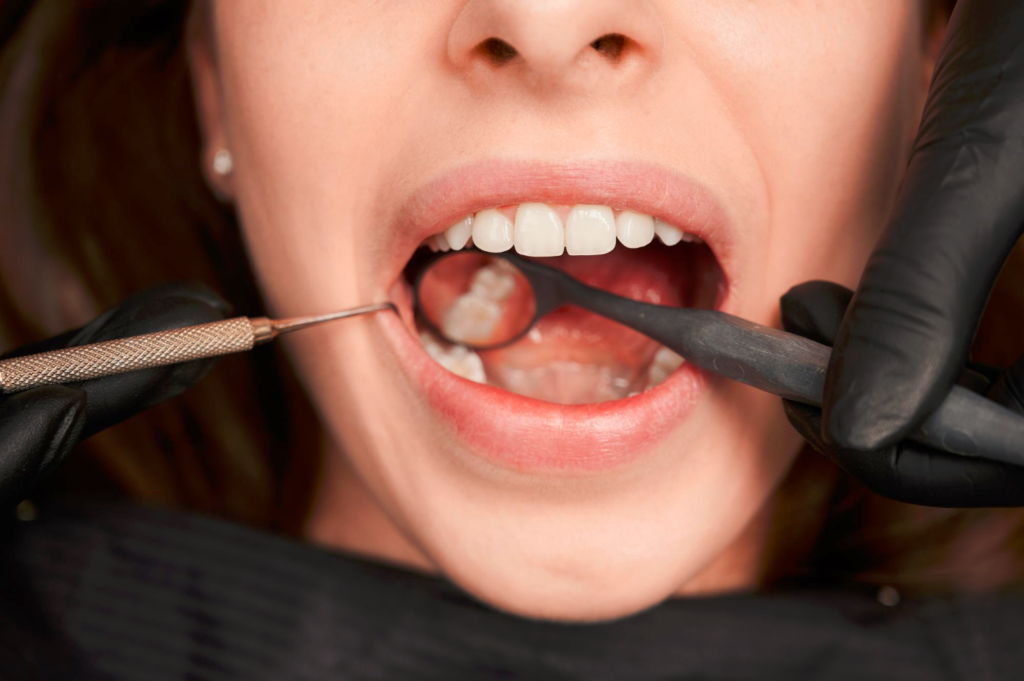
You can’t rebuild lost gum tissue at home, but you can rebuild the conditions that support healthy gums:
Some dentists in Reseda, CA (including practices like Canby Dental with Dr. Angel Harounian, DDS) focus on the basics first: plaque control, gentle technique, and early gum disease care. Those basics do more for receding gums than any single “miracle” ingredient.
Oil Pulling can help reduce plaque and may help prevent gingivitis in some people. Use 1 tablespoon (15 mL) of coconut oil, olive oil, or sesame oil. Swish gently for 10–15 minutes, then spit into the trash (not the sink), rinse with water, and brush your teeth like normal.
Oil pulling naturally reduces plaque for some people, but it does not replace brushing and flossing. Evidence exists, but results vary by study and method.

A Saltwater Rinse is simple and cheap. Mix 1 teaspoon (5 g) of salt into 1 cup (240 mL) warm water. Swish for 30–60 seconds, then spit. Do it 1–3 times per day.
Saltwater helps kill some bacteria and can ease gum inflammation after irritation, brushing trauma, or early gingivitis. Keep the mix mild if salt stings.
Eucalyptus oil has antimicrobial activity, but essential oils can irritate gum tissue if you use them wrong.
Brushing correctly is the biggest “natural remedy” for receding gums.

This reduces bacteria present at the gum margin without wearing away enamel or traumatizing gum tissue.
Peppermint essential oil can help with bad breath and may have mild antimicrobial effects. It still needs dilution.
If you want a safer peppermint option, choose an ADA-accepted toothpaste or mouthwash that already uses a safe concentration.
Green tea can support gum health through anti-inflammatory and antioxidant activity. Drink 1–2 cups per day (240–480 mL) with no added sugar. Some people also use cooled green tea as a rinse after brushing.
Systematic reviews suggest green tea (including green tea mouth rinses in some studies) may reduce plaque and gingival inflammation, though protocols vary.
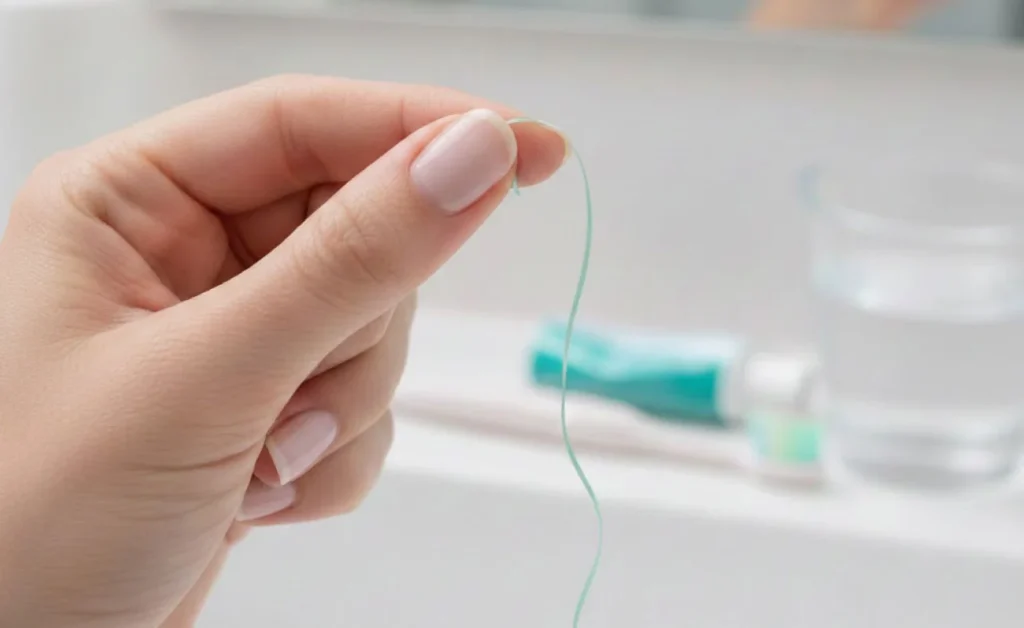
Flossing regularly removes plaque where a toothbrush cannot reach. Floss once daily, or use interdental brushes.
If string floss is hard, use a Waterpik water flosser on a gentle setting. Daily interdental cleaning helps prevent gingivitis and helps prevent receding gums linked to chronic inflammation.
Hydrogen Peroxide can reduce bacteria, but it can also irritate tissues if overused or too strong.
Evidence exists for peroxide-based rinses in plaque/gingivitis control, and professional guidance matters for safe use.
Aloe vera gel (oral-safe) may soothe irritated gums and support healing in mild inflammation.
Some clinical studies show aloe vera products can reduce gingival inflammation and plaque compared with baseline, but results depend on the product and routine.

Turmeric (curcumin) gels have been studied as an adjunct for plaque-induced gingivitis.
Tea tree oil can be antimicrobial, but it is toxic if swallowed and irritating if too strong.

Thyme essential oil contains thymol, an ingredient used in some mouthwashes for plaque control.
Lemon is tricky. Lemon contains vitamin C, which supports gum tissue health, but lemon juice is acidic and can weaken enamel.
Use lemon safely:
If recession is more than mild, home care stabilizes things but does not restore coverage. A periodontist can measure recession depth, check for periodontal disease, and recommend Periodontal Disease treatment or Periodontal procedures that protect roots and reduce bone loss.
Flap surgery (periodontal pocket reduction surgery) involves lifting gum tissue to remove tartar and bacteria deep under the gums, then repositioning the gum tissue to reduce pocket depth.
This is common when periodontal disease has created deeper pockets that home care cannot clean.

A tissue graft (gum grafting / gingival grafting) adds tissue to thin areas and covers exposed roots. Gum grafting also helps reduce sensitivity and lowers the risk of further recession in that spot.
If bone loss has occurred, bone regeneration techniques can help restore supporting bone in certain cases. This often pairs with deep cleaning (Scaling and Root Planing) and sometimes guided tissue regeneration.
LANAP® (Laser Assisted New Attachment Procedure) is a laser-based periodontal therapy used for periodontal pockets in some clinics. It aims to reduce bacteria and inflamed tissue with less cutting than traditional surgery in selected cases. Ask a periodontist whether you are a candidate and what results to expect.

Fact: gum disease and heart disease are associated. Myth: treating gum disease guarantees heart protection. Research shows an association between periodontal disease and cardiovascular disease, but that does not prove gum disease causes heart disease. Inflammation and shared risk factors (like smoking and diabetes) likely play a role.
Treat gum disease for oral health first: less bleeding gums, less bad breath, less tooth loss risk, and a lower chance of ongoing infection.
Natural remedies for receding gums that actually work focus on plaque control, inflammation control, and stopping daily trauma. Oil Pulling, Saltwater Rinse, green tea, aloe vera, and omega-3 fatty acids can support gum health, but they work best when brushing correctly and flossing regularly are already in place.
If roots stay exposed, sensitivity increases, or pockets keep deepening, book an exam with a dentist or periodontist. True recession and periodontal disease need professional diagnosis and a plan, and that plan can include Scaling and Root Planing, antibacterial mouthwash, grafting, or laser options like LANAP®.
