Physical Address
304 North Cardinal St.
Dorchester Center, MA 02124
Physical Address
304 North Cardinal St.
Dorchester Center, MA 02124

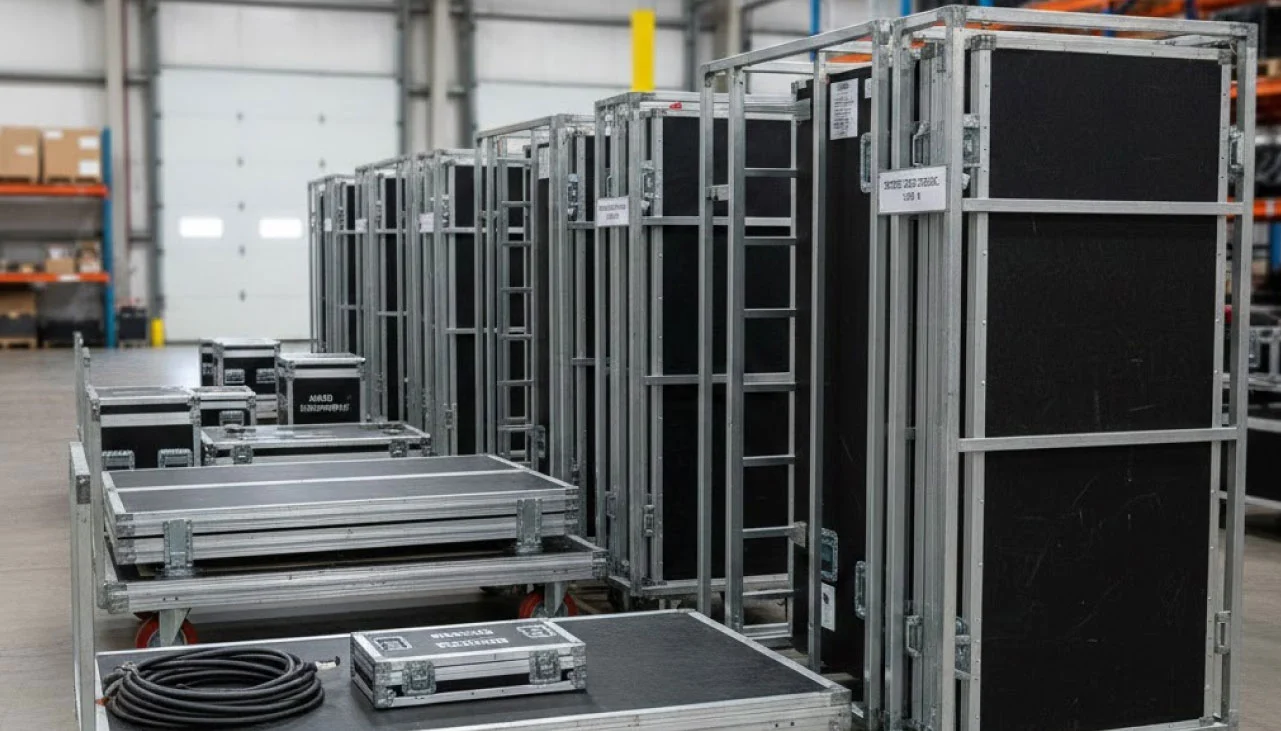
You’ve spent £2,000 on a beautiful new portable stage. It gets delivered. You’re ready to transform your school hall or venue. Then the realisation hits: each heavy 2m x 1m deck platform needs to be carried from the storage cupboard to the hall. By hand. Up a corridor. Around corners.
Your back aches just thinking about it, doesn’t it?
This is where the real work begins. And for far too many schools, theatres, and churches across the UK, this manual handling marathon is a silent drain on time, morale, and safety. The stage itself was the big purchase, but the cart to move it is the crucial accessory that determines whether it gets used or gathers dust.
This isn’t just about wheels. It’s about workflow. This 2024 UK guide cuts through the noise to review the storage carts and dollies that will save your crew’s energy, protect your investment, and make setting up for the next concert, assembly, or play a task people don’t dread.
Let’s be blunt: manhandling heavy, bulky stage decks is a significant manual handling risk. The UK’s Health and Safety Executive (HSE) provides clear guidelines on reducing risk, which includes using mechanical aids like trolleys. A proper cart isn’t a luxury; it’s a core part of your duty of care to staff and volunteers.
Beyond compliance, the right cart delivers three hard benefits:
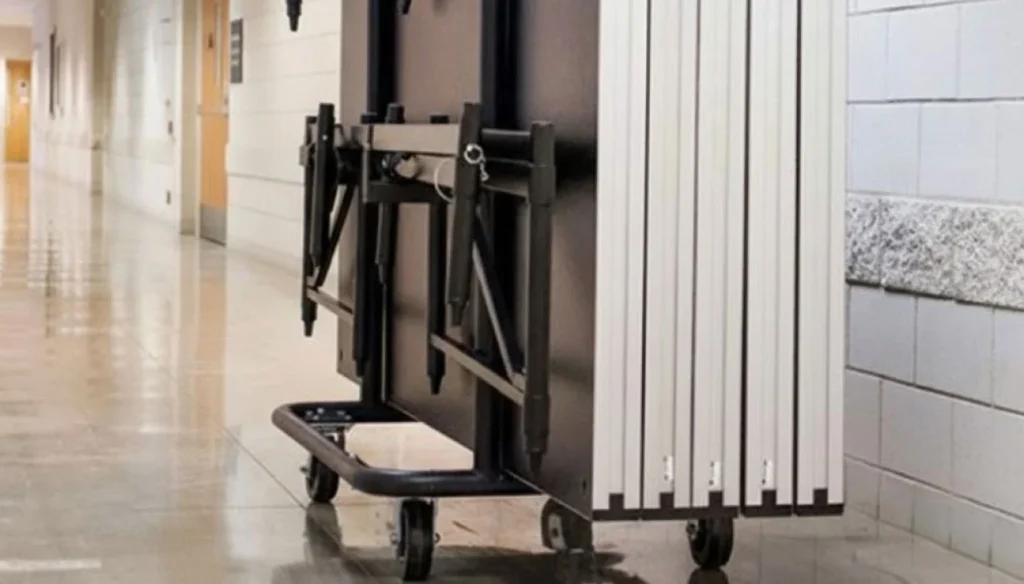
Before we get to the reviews, know what matters. Here’s your spec sheet:
We’ve assessed the market based on feedback from UK schools, venue managers, and event companies. Here’s the breakdown.
Product Type: Heavy-Duty Folding Platform Truck
Ideal For: Most schools, community halls, and churches with standard 2m x 1m staging.
Review:
This is the unsung hero of UK stage storage. Picture a solid, powder-coated steel frame with a large, flat deck (often around 1200mm x 800mm) and four heavy-duty swivel casters. Its genius is in its simplicity and strength.
Product Type: Specialist Stage & Risers Cart
Ideal For: Larger venues, professional event hire companies, and anyone with a significant volume of staging.
Review:
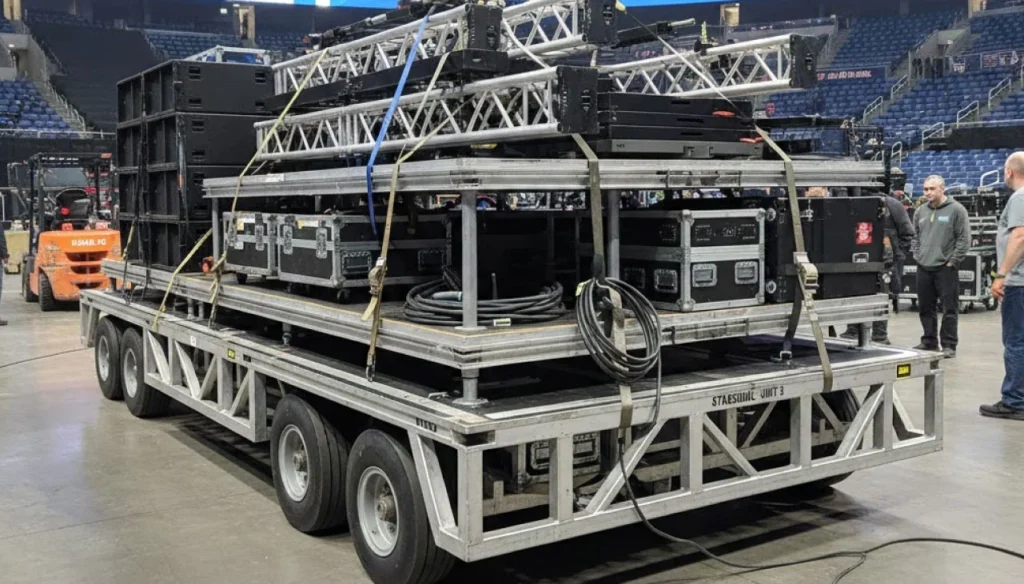
This is where you invest in a tool designed for one job. These dollies often feature upright A-frames or multiple tiered shelves specifically spaced to slot in folded portable stages or choir risers vertically.
Product Type: Stair-Climbing Dollies & Powered Trollies
Ideal For: Venues with unavoidable steps, cellars, or severe gradients.
Review:
Got to get stages up to the parish hall from a basement? This is your answer. These feature tracked wheels or powered assist mechanisms that can negotiate stairs with a heavy load.
Product Type: Customised Sack Truck or Flatbed
Ideal For: The handy caretaker on a tight budget.
Review:
Many a UK village hall has a trusted sack truck that’s been adapted with padded bars or custom shelving to carry stage decks. It requires some ingenuity.
If you own a NexGen or similar magnetic folding stage, check if the manufacturer offers a brand-matched cart. The benefits can be significant:
However, a high-quality generic workhorse truck (Category 1) will often do the job perfectly well at a lower cost.

A cart is a safety device. Treat it like one.
Stop treating stage transport as a brute-force exercise. The right cart pays for itself not in cash, but in preserved energy, protected floors, and a crew that doesn’t groan when they hear “set-up the stage.”
Think about the last difficult move. Now imagine it was easy. That’s the goal.
Ready to stop the heavy lifting?
👉 Get Your Free, No-Oblitation Quote & Expert Advice
At Portablestage.co.uk, we don’t just sell stages; we provide complete solutions. Our experts can recommend the perfect cart or dolly for your specific NexGen staging system and venue layout.
Contact us today for a chat and a tailored quote. Let’s make your next set-up your easiest one yet.
Explore Stage Transport Solutions & Contact Us →
