Physical Address
304 North Cardinal St.
Dorchester Center, MA 02124
Physical Address
304 North Cardinal St.
Dorchester Center, MA 02124


You cannot reliably regrow gums naturally without surgery once gum tissue is truly lost, but you can reduce inflammation, improve gum attachment support, and slow gum recession without surgery through consistent home care and dentist-guided treatment. Many people look for Remedies for Receding Gums because receding gums are often linked to gum disease, plaque buildup, aggressive brushing, aging, and genetics. If periodontitis is active, the fastest non-surgical win is stopping the infection with professional care such as scaling and root planing, then reinforcing results with daily oral hygiene and proven preventive practices.
Conventional treatment for periodontal disease can include scaling and root planing, prescription antibacterial mouthwash such as chlorhexidine, prescription antibiotic medication, and surgical options such as flap surgery with possible bone and tissue grafts. Natural remedies for receding gums work best as support for oral hygiene and gum disease reversal steps, not as a replacement for dental care.
Oil pulling is an ayurvedic practice. A 2009 study reported oil pulling showed reduced plaque in people with gingivitis.
Oil pulling benefits are usually tied to plaque control. Coconut oil around the teeth is commonly used today, while sesame oil but traditionally used in oil pulling is also common. A 2012 research report from Athlone Institute of Technology connected coconut oil to effects on Streptococcus mutans, a bacteria linked to tooth decay and tooth enamel damage.

Eucalyptus oil is often described as an anti-inflammatory germicide. A 2008 study suggested eucalyptus oil may help treat receding gums and support new gum tissue changes by reducing inflammation.
Saltwater rinse is a basic, cheap tool for soothing gum inflammation. A 2016 study suggested a saltwater rinse can reduce bacteria and calm irritated gums.
Mix 1 teaspoon (5 g) of salt in 1 cup (240 mL) of warm water.
Green tea is linked with gum health in several older research discussions. Green tea catechins may support a healthier oral environment by reducing plaque and inflammation.
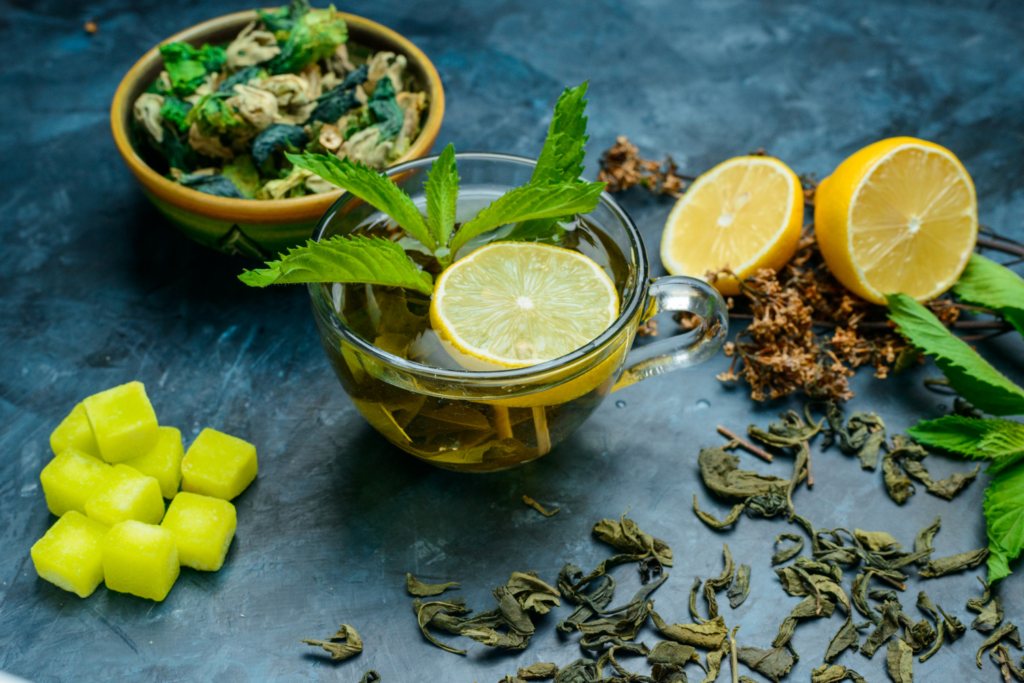
A 2013 article in the European Journal of Dentistry reported peppermint essential oil may help limit disease-causing microorganisms in the mouth.
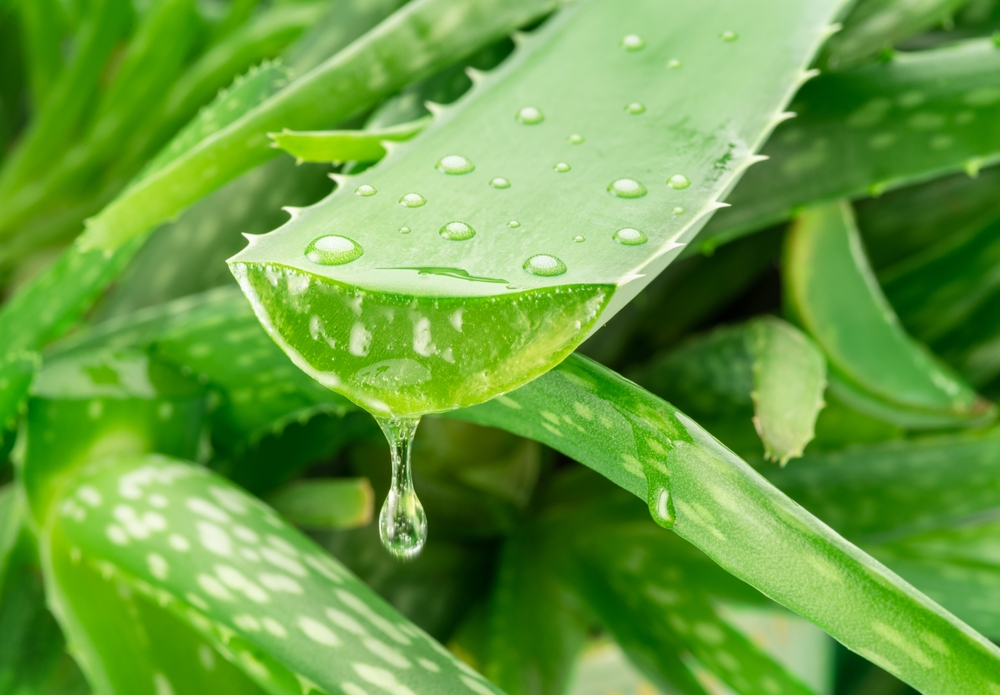
Aloe vera can soothe inflamed gums. A 2009 study reported injecting medicinal-grade aloe vera gel into inflamed gums improved periodontal conditions.
At home, use topical aloe vera gel (food-grade, alcohol-free):
Septilin is a proprietary herbal formula that includes guggul, guduchi, licorice, and other compounds. A 2014 clinical trial in the Journal of Periodontal Implant Science suggested Septilin supported periodontal treatment outcomes.
Omega-3 fatty acids are linked to lower gum inflammation in some clinical research. A 2014 clinical trial found 300 mg daily for 12 weeks reduced gingival index while improving gum-to-tooth attachment. Gingival index is a measure of gum inflammation severity.
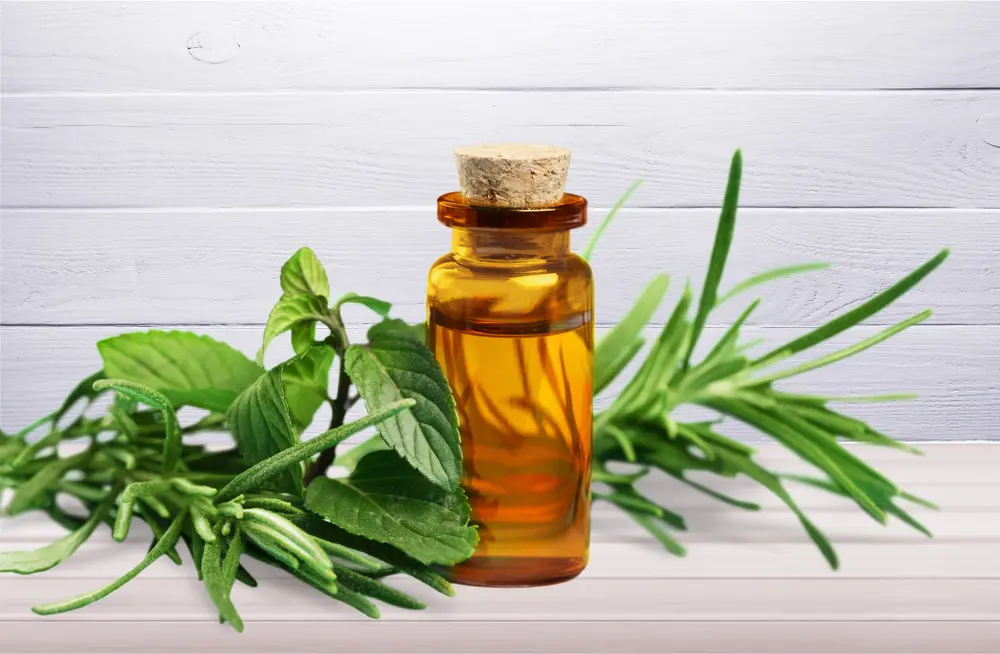
A 2013 article in the European Journal of Dentistry reported tea tree oil may help limit disease-causing microorganisms.
Turmeric contains curcumin, which is anti-inflammatory and antioxidant. A 2015 study suggested turmeric gel could reduce plaque and gingivitis, which can contribute to receding gums.
Hydrogen peroxide can reduce bacteria and help with sore, red, or swollen gums when diluted properly.
A 2013 article in the European Journal of Dentistry also discussed thyme essential oil for limiting mouth microorganisms.
Brushing is the foundation for gum regrowth naturally goals because plaque drives inflammation. Brush too hard and recession gets worse.
Flossing removes plaque between teeth where brushes miss. The American Dental Association (ADA) recommends cleaning between teeth daily.

Receding gums are common, and receding gums are often tied to aging, genetics, plaque, and gum disease. Natural remedies for receding gums can reduce inflammation, support a healthier oral microbiome, and help gums look and feel better, but lost gum tissue usually does not grow back without dental procedures.
If the goal is how to regrow gums naturally without surgery, focus on stopping active gum disease first: consistent oral hygiene, gentle brushing, daily flossing, and professional care like scaling and root planing when needed. A dentist can also decide if chlorhexidine, antibiotic medication, or surgery such as flap surgery with bone and tissue grafts is necessary for advanced periodontitis.
