Physical Address
304 North Cardinal St.
Dorchester Center, MA 02124
Physical Address
304 North Cardinal St.
Dorchester Center, MA 02124


Most people think anti-aging comes from expensive creams, serums, or procedures. But one of the most powerful tools to reverse aging sits right in your mouth. Your oral health directly affects how fast your body ages.
Taking care of your teeth and gums reduces chronic inflammation, which is the main driver of aging. Good oral hygiene lowers your risk for heart disease, dementia, and other age-related conditions. It also helps you keep your natural teeth longer, which maintains facial structure and makes you look younger.
The connection works through your immune system. When your gums are healthy, your body fights off threats more effectively. When gum disease sets in, it triggers systemic inflammation that damages cells and speeds up aging.
This article explains how chronic inflammation ages you, provides oral care tips to reverse aging, and covers other lifestyle habits that keep you young.
Chronic inflammation accelerates aging by damaging healthy tissues and weakening your immune system’s ability to fight threats. Unlike acute inflammation that helps you heal, chronic inflammation lingers and causes harm throughout your body.
Inflammation is your body’s natural immune response to injuries, diseases, and viruses. Short-term inflammation protects you. But when inflammation becomes chronic, it backfires. Your immune system stays constantly activated, which impairs its ability to fight real threats like bacteria and viruses. It also attacks your own healthy tissues and cells.
Scientists now consider immune aging more accurate at predicting life expectancy than your actual birth age. Chronic inflammation creates a vicious cycle. It triggers chronic diseases that damage healthy cells, which further weakens your immune system.
Tooth decay and periodontal disease rank among the most common triggers of chronic inflammation. Periodontal disease is an inflammatory disease that directly ages your immune health. According to the Centers for Disease Control and Prevention , nearly half of adults over 30 show signs of periodontal disease, and untreated gum infections increase systemic inflammatory burden in the body. As your immune response weakens, your resistance to other diseases drops. If caught early before it progresses to bone loss (periodontitis), gum disease can be stabilized and sometimes reversed.
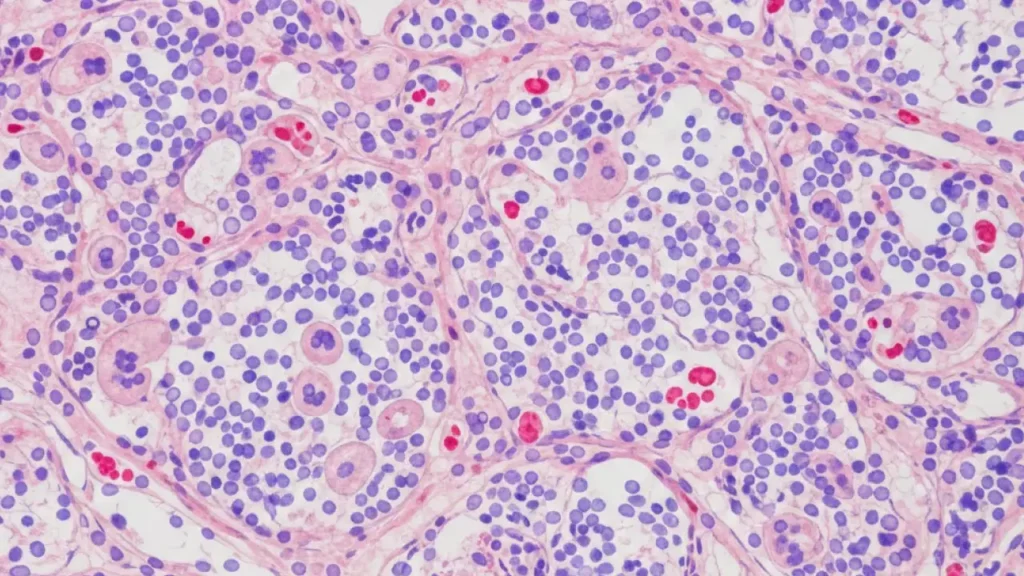
When gum disease weakens your immune system, cavity-causing bacteria enter your bloodstream more easily. This triggers systemic inflammation throughout your body.
Research published by the Harvard Medical School explains that oral bacteria can enter the bloodstream and contribute to cardiovascular disease and stroke. You become at higher risk for several serious conditions:
Dementia and Alzheimer’s disease: Bacteria from gum disease travel to your brain and contribute to Alzheimer’s development, according to the Journal of Alzheimer’s Disease.
Heart disease, stroke, and heart attack: Chronic inflammation from gum disease contributes to heart problems. According to the American Heart Association, inflammation plays a major role in the development of atherosclerosis and cardiovascular disease.
Pneumonia: Gum disease bacteria travel through your bloodstream and enter your lungs. Patients with severe periodontal disease face higher respiratory disease risk due to weakened immune health.
Rheumatoid arthritis: Inflammation links both conditions. Disease-causing bacteria trigger inflammation that makes both gum disease and arthritis worse.
Chronic inflammation also causes oxidative stress, which creates free radicals in your blood. These free radicals damage your DNA and speed up skin aging. You actually age from the inside out.
Bruxism, or chronic teeth grinding, also accelerates aging. Constant pressure on your upper and lower jaw distorts your facial shape and stresses your jaw muscles. This creates tension lines and changes your appearance over time.
The secret to looking younger lies in preventing inflammation, and that starts with stopping gum disease before it starts. Gum disease shows no symptoms in its early stages, so prevention matters most.
Studies show that patients who brush their teeth twice daily are 70% less at risk for heart disease and heart attack. That’s a significant reduction from a simple habit.

Follow these tips to ramp up your preventive oral care:
1. Be consistent with your oral hygiene. Brush your teeth twice every day and floss once daily. Use an oral rinse or mouthwash to help fight cavity-causing bacteria. This basic routine removes plaque before it hardens into tartar.
2. Visit your dentist every six months. Regular brushing and flossing can’t reach every nook and cranny. Your dentist and dental hygienist clean away plaque and tartar buildup you miss. They also assess your oral health and spot problems early.
3. Don’t delay dental treatments. A simple cavity can turn into a tooth root infection in days. Get treated as soon as you experience pain, swelling, or bleeding. Waiting gives bacteria more time to enter your bloodstream and trigger systemic inflammation.
4. Address gum recession promptly. When gums pull away from teeth, bacteria hide in the pockets. Your dentist can recommend treatments to stop recession and protect your immune health.
5. Stay hydrated. Saliva washes away food particles and bacteria. Dry mouth lets bacteria multiply faster. Drink water throughout the day to keep your mouth clean naturally.
Related article: What Is Gum Contouring and Why Is It Done?
Beyond oral care, your daily habits determine how fast you age. Many people chase anti-aging quick fixes while ignoring the simple foundations of youth. Go back to these basics.
Sleep reboots your entire body by regenerating new cells, relaxing muscles, refreshing your brain, and resting your heart and blood vessels. During deep sleep, your body repairs damage from the day.
Sleep reduces oxidative stress that damages tissues and causes inflammation. It also strengthens your immune system so it can fight threats effectively. Adults need 7 to 9 hours of quality sleep each night. Make your bedroom dark, cool, and quiet. Stick to a consistent schedule even on weekends.

Your diet either fuels inflammation or fights it. Inflammatory foods speed up aging. Anti-inflammatory foods slow it down.
Avoid processed foods, refined sugars, and unhealthy fats. These trigger inflammation throughout your body, including your gums.
These foods provide antioxidants that neutralize free radicals. They also support your immune system and reduce inflammation.
Studies show that active people have longer chromosome caps that make their biological age up to nine years younger than their actual age. Those chromosome caps, called telomeres, protect your DNA from damage. Longer telomeres mean slower aging.
Manage your weight through regular activity. Squeeze in a quick 10 to 20-minute workout 3 to 4 days per week. This doesn’t require a gym membership. Walk briskly, do bodyweight exercises at home, or follow online workout videos.
Exercise also encourages collagen production, which keeps your skin firm and your joints healthy. Consistent movement reduces inflammation and strengthens your immune response.
Related post: Naturally Reversing Receding Gums May Be Tricky
Alcohol and tobacco both trigger inflammation and accelerate aging at the cellular level. Smoking introduces toxins that damage every system in your body. It also stains teeth, causes gum disease, and leads to tooth loss.
Try to limit alcohol intake or find healthier alternatives. Non-alcoholic options now exist for beer, wine, and spirits. But removing it entirely from your diet works best for anti-aging.
Smoking cessation reverses some damage over time. Your gums start healing within weeks of quitting. Your risk for heart disease and cancer drops significantly.

Dental implants require specific care to prevent peri-implantitis, an inflammatory condition that causes bone loss and implant failure. Implants don’t get cavities, but they remain vulnerable to gum disease.
If you have dental implants, your oral hygiene routine needs adjustments:
1. Brush twice daily with a soft-bristled brush. Pay special attention around the implant crown where it meets the gum. Use low-abrasive toothpaste to avoid scratching the implant surface.
2. Floss daily using implant-specific tools. Regular floss may not clean effectively around implants. Use superfloss, implant floss, or water flossers designed for implant care.
3. Use antibacterial mouth rinse. This reduces bacteria around the implant and lowers infection risk.
4. See your dentist for regular implant checkups. They’ll examine the implant, check for mobility, and take X-rays to monitor bone levels.
5. Watch for warning signs. Bleeding around the implant, redness, swelling, or discomfort means you need immediate dental attention. Don’t wait.
Healthy implants last decades. Neglected implants fail from the same chronic inflammation that damages natural teeth.
Nature’s Smile Gum Balm and Oral Rinse offer natural options for maintaining gum health and fighting the bacteria that cause periodontal disease. These products contain plant-based ingredients with antibacterial properties.
The gum balm sticks to gum tissue and delivers active ingredients directly to problem areas. The oral rinse reaches everywhere brushing misses. Both work together to reduce plaque, soothe inflammation, and support healing.
Key ingredients in Nature’s Smile include:
Oak bark: which tightens gum tissue

Silver fir: which fights bacteria

Chamomile: which reduces inflammation

Yarrow: which promotes healing

Nettle: which stops bleeding

Pine tree oil: which kills germs

These products work best as part of your daily routine alongside brushing and flossing. They’re particularly helpful for people with early gum disease or those who prefer natural approaches.
Use the gum balm after brushing. Apply a small amount to your fingertip and massage it into your gums, focusing on areas that bleed or feel tender. Follow with the oral rinse, swishing for 30 to 60 seconds before spitting out.
For best results, use both products consistently for at least 30 days. Gum tissue needs time to heal and strengthen. Many users report reduced bleeding, less sensitivity, and tighter gums within weeks.
Read this next: Receding Gums Treatment: Home Remedies vs. Dentist Costs Explained
Reversing aging starts in your mouth. Chronic inflammation from gum disease speeds up aging by damaging healthy tissues and weakening your immune system. It increases your risk for dementia, heart disease, stroke, pneumonia, and arthritis.
Good oral hygiene fights this inflammation. Brush twice daily, floss once, see your dentist regularly, and don’t delay treatments. These simple habits reduce systemic inflammation and help you live longer.
Support your oral health with quality sleep, anti-inflammatory foods, healthy weight, limited alcohol, and no smoking. These lifestyle choices amplify the anti-aging effects of good dental care.
For those with dental implants, special care prevents inflammatory complications. Natural products like Nature’s Smile Gum Balm and Oral Rinse offer additional support for gum health.
Your teeth and gums aren’t separate from the rest of your body. They’re the gateway. Keep them healthy, and you keep your whole body younger.