Physical Address
304 North Cardinal St.
Dorchester Center, MA 02124
Physical Address
304 North Cardinal St.
Dorchester Center, MA 02124

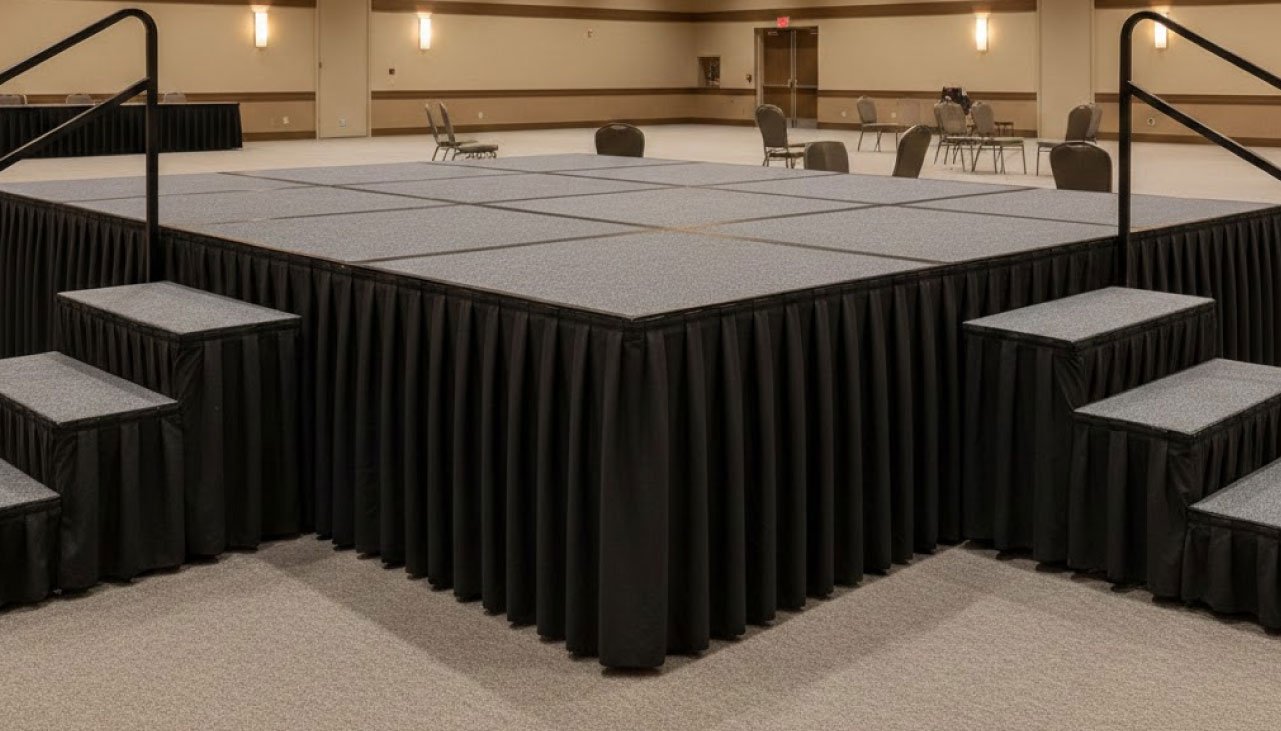
A practical UK buyer’s guide for schools, churches, and event organisers
A portable stage can look solid, professional, and safe—or cheap, unfinished, and risky.
The difference often comes down to one overlooked detail: stage skirting. You can have the best modular stage system in the world, but if the underside is exposed—showing legs, cables, storage boxes, or uneven flooring—it instantly breaks trust with your audience. Worse, poor skirting choices can create safety hazards, trip risks, and non-compliance issues in schools and public venues.
If you’re asking how to choose stage skirting for portable stages, this guide will walk you through the decision step by step—without jargon, fluff, or sales hype.
Before choosing colours or fabrics, it’s important to understand what stage skirting actually does.
Stage skirting is designed to:
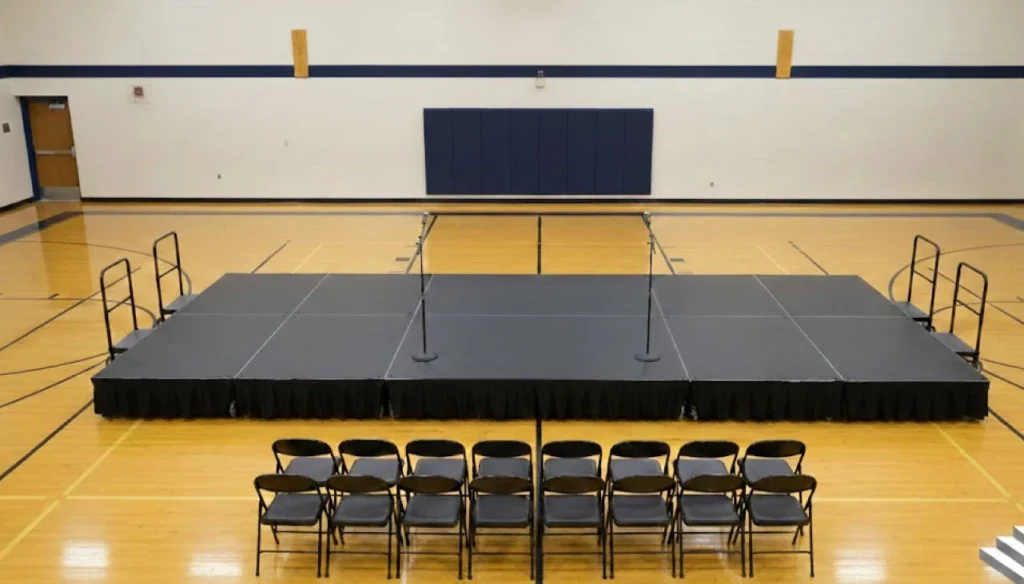
For UK schools, churches, theatres, and community halls, skirting is often not optional—it’s part of presenting a professional, safe environment.
According to guidance from the UK Health and Safety Executive (HSE), controlling access to trip hazards and exposed structures is a key part of public event safety:
https://www.hse.gov.uk/evnt-safety/
Stage skirting plays a direct role in that control.
The first mistake buyers make is choosing skirting without considering where and how the stage is used.
Ask yourself:
Each environment affects fabric choice, height, fixings, and colour.
Material choice determines durability, appearance, and maintenance.
Fabric skirting is the standard option for portable stages in the UK.
Best for:
Pros
Cons
Look for fire-retardant fabric compliant with UK regulations such as BS 5867 or EN 13501. Many venues require this as standard.

Fire safety guidance:
https://www.gov.uk/workplace-fire-safety-your-responsibilities
Best for:
Pros
Cons
PVC skirting works well for portable stages used outdoors but may feel too rigid for schools or worship spaces.
Used less often, but valuable in some cases.
Best for:
Pros
Cons
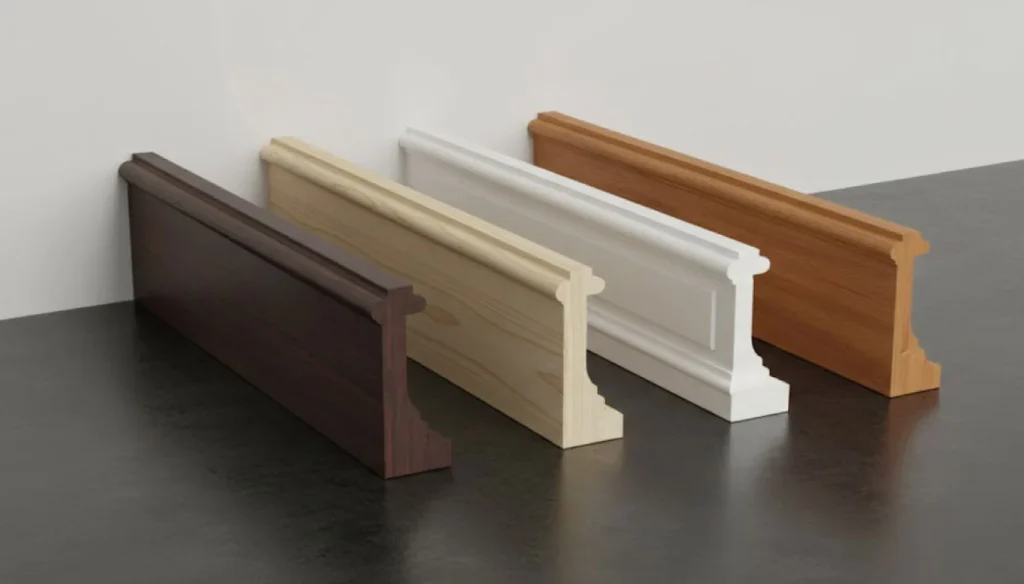
This is where many buyers go wrong.
Measure from the top of the stage deck to the floor, not from the legs.
A clean break just above floor level looks professional and stays compliant.
How the skirting attaches is just as important as the material.
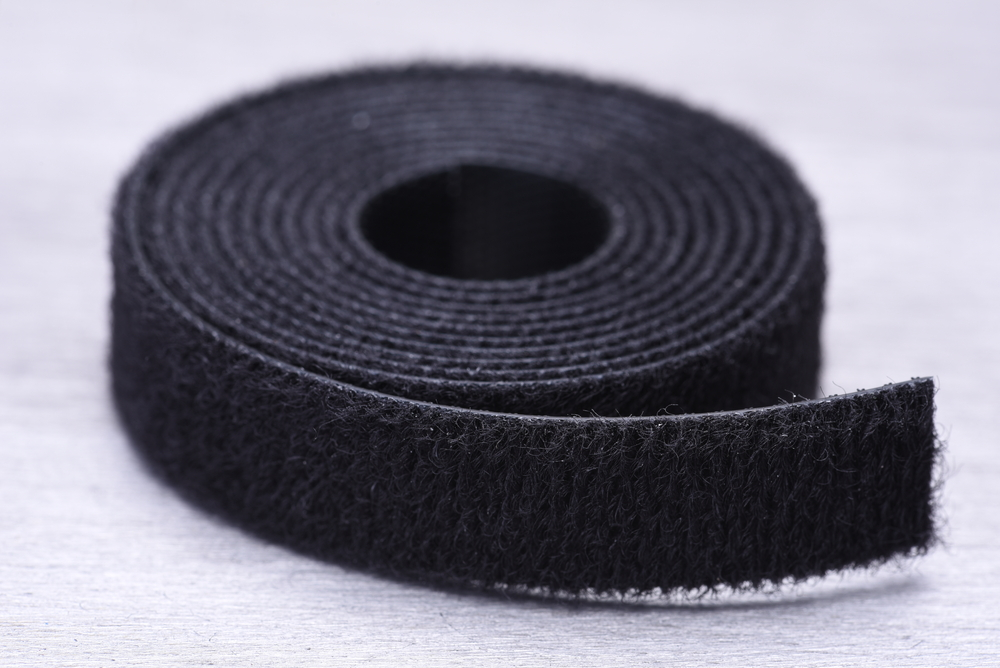
Most popular option for portable stages
Pros
Cons
Pro tip: choose industrial-grade Velcro stitched into the fabric—not glued.
Best for frequent use
Pros
Cons
Used on metal stage frames.
Pros
Cons
Stage skirting isn’t just functional—it sets the tone.
Black works best for:
For public-facing events, consistency builds credibility fast.
When choosing stage skirting for portable stages, safety isn’t optional.
Key considerations:

Guidance from organisations like the Association of British Theatre Technicians (ABTT) supports proper staging and draping practices:
https://www.abtt.org.uk
For schools, skirting should align with general premises safety standards outlined by the Department for Education:
https://www.gov.uk/government/organisations/department-for-education
Ask suppliers these questions before buying:
High-quality fabric skirting can last 5–10 years with proper care—far cheaper than frequent replacements.
Cheap skirting often costs more in the long run.
Before you buy, confirm:
✔ Correct height for your stage
✔ Fire-retardant material
✔ Suitable for indoor or outdoor use
✔ Secure fixing system
✔ Colour fits your venue
✔ Easy to clean and replace

Knowing how to choose stage skirting for portable stages isn’t about picking fabric—it’s about creating a safer, more professional environment for everyone who steps into your venue. For UK schools, churches, and event organisers, the right skirting:
If your portable stage deserves to look as professional as the performance on top of it, don’t treat skirting as an afterthought.
👉 Choose stage skirting that fits, protects, and elevates your space—every single time.
👉 Speak with a specialist supplier who understands UK safety standards and real-world venue needs.
Get a free, no-obligation quote and give your stage a clean, polished look with premium stage skirting — here: https://www.portablestage.co.uk/service/fascia-valance/
